HDPE Corrugated Pipe: Benefits, Applications & How It Works | TDR Pipe
TDR ULTRA: HDPE CORRUGATED PIPE
Corrugated pipe is one of the most widely used drainage solutions in U.S. infrastructure — and for good reason. Its alternating ridge-and-valley profile gives it structural strength without the weight of rigid alternatives, making it the go-to choice for storm drainage, culverts, agricultural applications, and site development projects where performance, installation speed, and cost efficiency all matter. TDR Pipe manufactures and distributes HDPE corrugated pipe engineered to meet the demands of real jobsites across Texas and California..
HDPE Corrugated Pipe Applications
HDPE, also known as “High Density Polyethylene”, has many uses in everyday life, but one of the most relevant is for the manufacture of pipes and ducts for applications in critical industries such as:
Advantages of HDPE Corrugated Pipe
In recent years, the use of this type of pipe has become increasingly popular due to its advantages and superiority over other types of solutions. In TDR Pipe®, with a rich history of over 60 years, our commitment to excellence in the hydraulic industry remains unwavering, manufacturing innovative solutions under the strictest international quality standards.
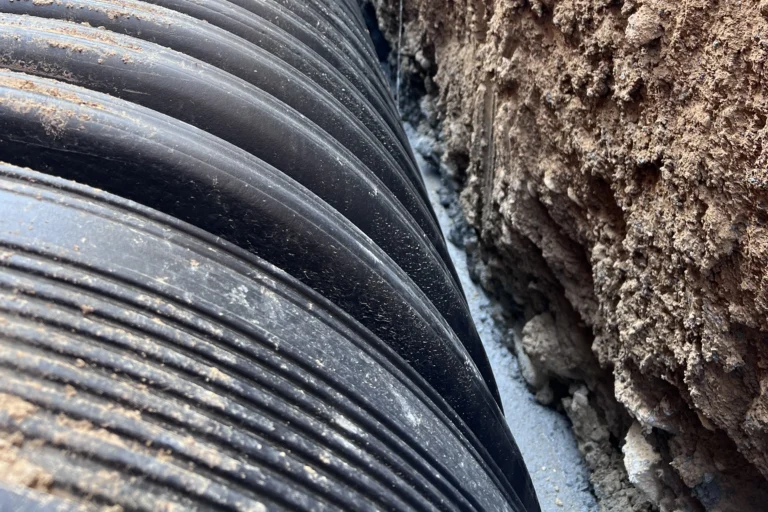
TDR Ultra®, our high density polyethylene corrugated pipe, has a unique structural design, its double arch corrugations allow the load to be evenly distributed, this means that it can withstand high loads without structural failure. It is recognized in the market for its maneuverability, length and performance, representing a great saving in logistics and installation costs.
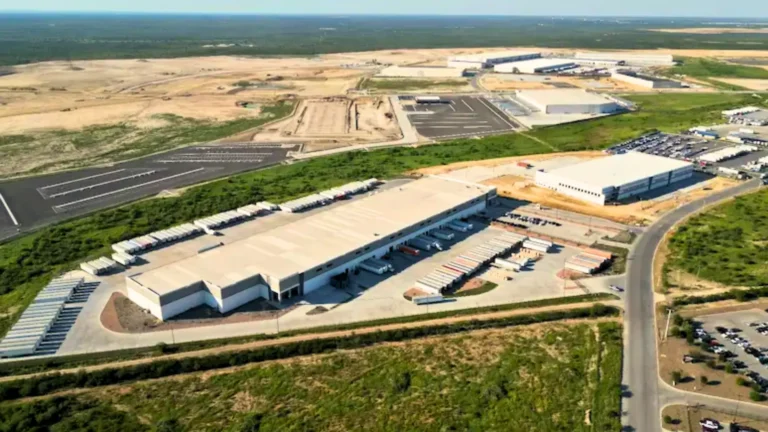
TDR Pipe’s high-density polyethylene pipes are manufactured in our plant in northern Mexico using 100% virgin resin, which allows superior resistance to chemicals, corrosion and interior and exterior abrasion.
WHAT IS CORRUGATED PIPE?
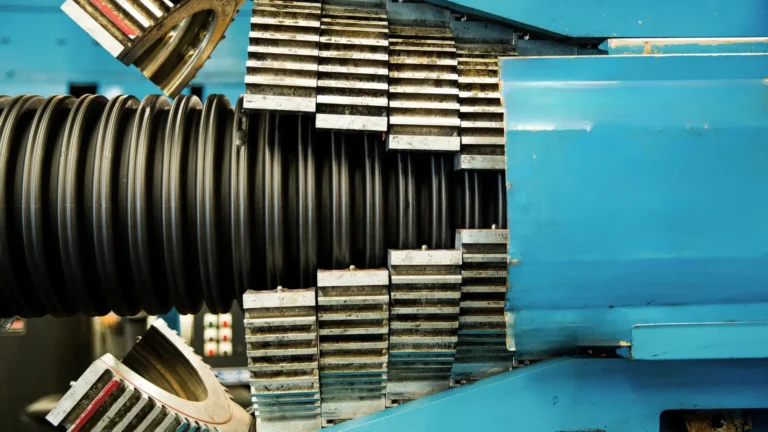
Corrugated pipe is a flexible drainage pipe characterized by a series of parallel ridges (corrugations) along its exterior wall. These corrugations are not decorative — they are structural. The profile distributes load across the pipe wall, allowing the pipe to carry significant external loads while remaining lightweight and flexible enough to handle ground movement without cracking.
The most common material for corrugated drainage pipe in modern construction is High-Density Polyethylene (HDPE) — a thermoplastic polymer that combines chemical resistance, long service life, and installation flexibility in a single product.
HOW DOES HDPE CORRUGATED PIPE WORK?
Corrugated HDPE corrugated pipe operates as a gravity-flow drainage system. Water enters through open ends, perforations (in agricultural or subsurface drainage applications), or connected inlets — and flows through the pipe by gravity toward a discharge point, detention basin, or treatment system.
The smooth interior liner (in dual-wall designs) ensures high flow capacity, while the corrugated exterior provides the structural ring stiffness needed to resist soil pressure and surface loads. This combination of smooth interior + structured exterior is what makes dual-wall corrugated HDPE the preferred specification for most storm drainage applications.
KEY BENEFITS OF HDEP CORRUGATED PIPE
Lightweight & Easy to Handle
HDPE corrugated pipe weighs significantly less than concrete or steel alternatives — reducing equipment requirements, speeding up installation, and lowering overall labor costs on the jobsite.
Flexible Under Load
Unlike rigid pipe materials that crack under point loads or ground settlement, HDPE deflects and recovers. This flexibility makes it particularly well-suited for variable soil conditions, fill areas, and locations subject to traffic loading.
Corrosion & Chemical Resistance
HDPE does not rust, corrode, or degrade when exposed to soil chemicals, acids, or stormwater contaminants. No protective coatings or liners are required — the material is the protection.
High Flow Capacity
The smooth interior wall of dual-wall corrugated HDPE maintains a low Manning’s roughness coefficient (n = 0.012 or lower), maximizing hydraulic efficiency without upsizing the pipe diameter.
Long Service Life
Corrugated HDPE pipe is engineered for a minimum 50-year service life under standard installation conditions, reducing lifecycle replacement costs for owners and municipalities.
Fast Installation
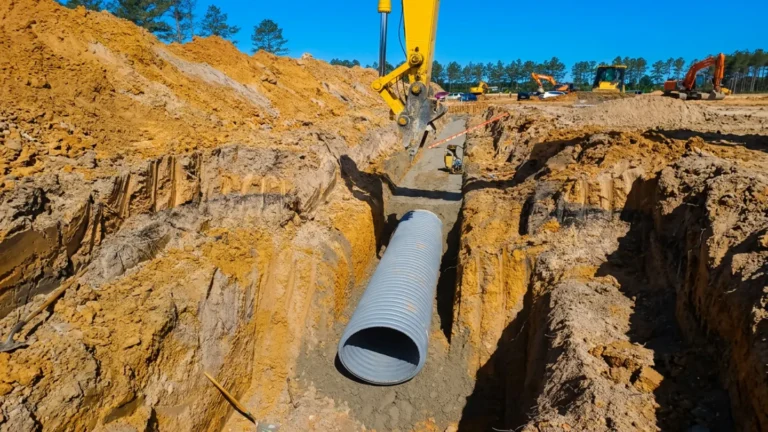
Lightweight sections, gasketed bell-and-spigot joints, and compatibility with standard trenching equipment make HDPE corrugated pipe one of the fastest-installing drainage solutions available — a direct impact on project schedules and budgets.
COMMON APPLICATIONS
Storm Drainage & Stormwater Management
Corrugated HDPE pipe is widely specified for storm sewer mains, cross-drains, culverts, and inlet/outlet structures in residential, commercial, and public works projects. Its hydraulic performance and joint integrity make it a reliable choice for both gravity systems and pressure-tested applications.
Highway & Transportation Projects
State DOTs across the U.S. — including TxDOT — approve corrugated HDPE pipe for roadway culverts, median drains, and highway stormwater infrastructure. TDR Pipe products meet applicable AASHTO and state specifications for these applications.
Agricultural Drainage
Subsurface drainage in fields, orchards, and irrigation systems relies on perforated corrugated pipe to manage water table levels and protect crop yields. TDR Agro and TDR Agro Perforada are specifically engineered for these conditions.
Site & Land Development
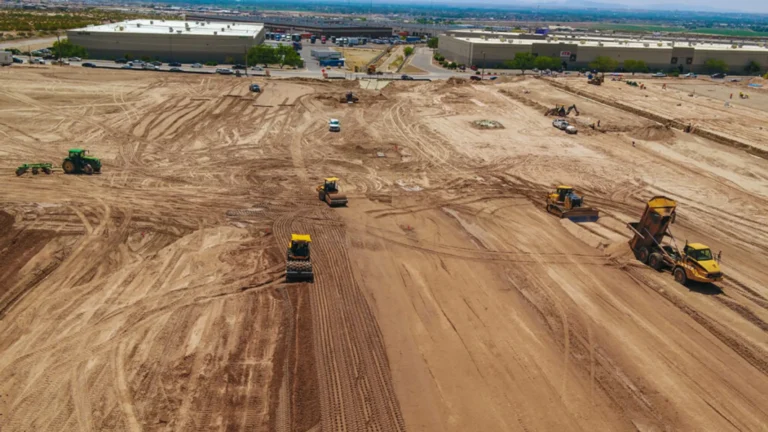
Civil engineers and site contractors specify corrugated HDPE pipe for detention pond outlets, parking lot drainage, building pad drainage, and utility corridor stormwater management — wherever efficient, reliable drainage is required from day one.
Trenchless Installation
Corrugated HDPE pipe is compatible with trenchless methods including pipe jacking and sliplining, enabling drainage upgrades in developed areas with minimal surface disruption.